
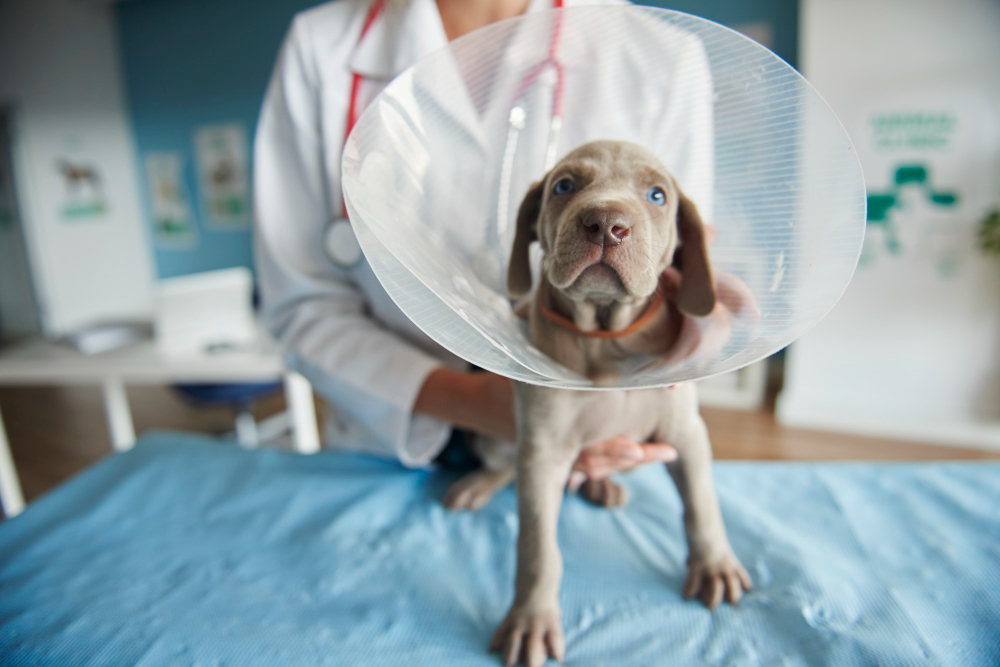
Pet Fracture Repair Surgery in Westminster, CO
Broken bones can happen during accidents, falls, or even during energetic play. When the force placed on a bone exceeds its strength, a fracture can occur. At Liberty Animal Hospital, our veterinary team has the experience, training, and surgical equipment necessary to diagnose and treat bone fractures in dogs and cats.
Prompt treatment is important to relieve pain and allow proper healing. Our veterinarians use modern diagnostic imaging and advanced surgical techniques to stabilize fractures and help pets return to normal activity as safely as possible.
Request an AppointmentSigns Your Pet May Have a Broken Bone
If your pet has experienced trauma or is suddenly unable to walk normally, a fracture may be present. Some symptoms that may indicate a broken bone include:
- Sudden inability to bear weight on a limb
- Limping accompanied by swelling
- Pain after strenuous activity
- Lameness that does not improve with pain medication
- Accidents such as being hit by a car
- Trauma such as being kicked by a large animal
If your pet shows any of these symptoms, immediate veterinary evaluation is recommended.
Diagnosing a Pet Fracture
When you bring your pet to Liberty Animal Hospital, our veterinarians will perform a thorough physical examination and diagnostic imaging to determine whether a fracture is present.
Diagnostic tests may include:
- X-rays to evaluate the bone
- Bloodwork and urine testing prior to anesthesia
- Additional imaging through our pet diagnostic services if necessary
Once the fracture is confirmed, a surgical treatment plan will be developed to stabilize the bone and promote healing.
Fracture Repair Surgery
Fracture repair typically involves one of two surgical techniques:
- Internal fixation: Plates, screws, or rods are placed inside the body to stabilize the bone.
- External fixation: Pins and stabilizing bars are placed through the bone and remain partially visible outside the body during healing.
The most appropriate technique depends on the location and severity of the fracture.
Recovery After Fracture Surgery
Most pets require approximately three to four months for complete bone healing. During this period, activity must be carefully restricted to allow the bone to repair properly.
Typical recovery instructions include:
- Short leash walks only
- Strict indoor confinement for cats
- Avoiding running or jumping
- Administering prescribed pain medications
- Follow-up veterinary visits
Follow-up X-rays are usually taken around two months after surgery to monitor healing progress.
With proper stabilization and careful post-operative care, many pets make a full recovery and return to normal activity.
If you suspect your pet may have a fracture or is experiencing severe pain, call (720) 306-9900 or schedule an appointment online so our veterinary team can evaluate your pet as soon as possible.
Frequently Asked Questions About Pet Fractures
How can I tell if my pet has a broken bone?
Common signs include limping, swelling, inability to bear weight, and signs of pain after an injury or accident.
What causes fractures in pets?
Fractures may occur due to accidents, falls, trauma, or excessive force during physical activity.
Are X-rays required to diagnose a fracture?
Yes. X-rays allow veterinarians to evaluate the bone and determine the type and severity of the fracture.
Is fracture surgery safe for pets?
When performed by trained veterinarians using modern monitoring equipment, fracture repair surgery is generally safe and effective.
How long does it take for a broken bone to heal?
Most fractures heal within three to four months with proper stabilization and restricted activity.
Will my pet need medication after surgery?
Yes. Pain medication and sometimes antibiotics are prescribed to ensure comfort and proper healing.
Can my pet return to normal activity after recovery?
Many pets regain full function once the bone has healed and your veterinarian clears them for normal activity.