

Pet Dental Care in Westminster, CO
Dental disease is one of the most common health problems affecting dogs and cats. At Liberty Animal Hospital, we provide professional pet dental care and dental cleanings in Westminster, CO to help protect your pet’s teeth, gums, and overall health.
Periodontal disease develops when bacteria accumulate in dental plaque on your pet’s teeth. Over time, plaque combines with food debris and minerals in saliva to form tartar, often visible as yellow or brown discoloration along the gum line.
If untreated, dental disease can cause bad breath, gum inflammation, painful infections, and tooth loss. Bacteria from the mouth may also enter the bloodstream and affect vital organs such as the heart and liver.
Request an AppointmentHow Common Is Dental Disease in Pets?
Dental disease affects a majority of pets. Studies show that nearly 80% of dogs and cats develop some form of dental disease by age three. By the age of five, more than half of pets experience at least one painful oral health problem.
Because dogs and cats instinctively hide pain, dental problems often go unnoticed. Gradual dental discomfort may cause subtle behavior changes such as eating more slowly, chewing on one side of the mouth, or seeming less energetic.
Routine dental care and regular veterinary exams can help detect oral health issues early before they become painful or expensive to treat.
Signs Your Pet May Need a Dental Cleaning
- Red or swollen gums (gingivitis)
- Persistent bad breath
- Difficulty chewing or dropping food
- Nasal discharge or nosebleeds
- Oral or facial swelling
- Discolored teeth or heavy tartar buildup
- Loose or fractured teeth
- Changes in appetite or chewing behavior
Why Early Dental Treatment Matters
In the past, veterinary dental care focused primarily on removing tartar and extracting loose teeth. While this addressed visible problems, it often missed underlying infections below the gum line.
Modern veterinary dentistry focuses on early detection and treatment of dental disease before severe damage occurs. Addressing dental problems early can help preserve teeth, prevent pain, and reduce the need for extractions later in life.

The Best Way to Protect Your Pet’s Teeth
Preventative dental care is the most effective way to protect your pet’s oral health. During routine visits and wellness exams, our veterinary team checks for early signs of dental disease and recommends treatment before serious complications develop.
When dental problems are treated early, pets experience less discomfort, fresher breath, and improved overall health.
Request an AppointmentWays to Help Prevent Dental Disease in Pets
- Daily tooth brushing with pet-safe toothpaste
- Routine oral examinations during veterinary visits
- Professional dental cleanings as recommended
How Often Should My Pet Have a Dental Cleaning?
Most dogs and cats benefit from professional dental cleanings every one to two years, depending on their age, breed, and oral health condition.
At Liberty Animal Hospital, we use modern veterinary dental equipment including professional cleaning tools and digital dental radiography to evaluate your pet’s teeth and gums both above and below the gumline.
Combined with routine home care such as brushing, professional cleanings help prevent painful infections and keep your pet healthy and comfortable.
For additional information on approved dental care products, visit the Veterinary Oral Health Council.
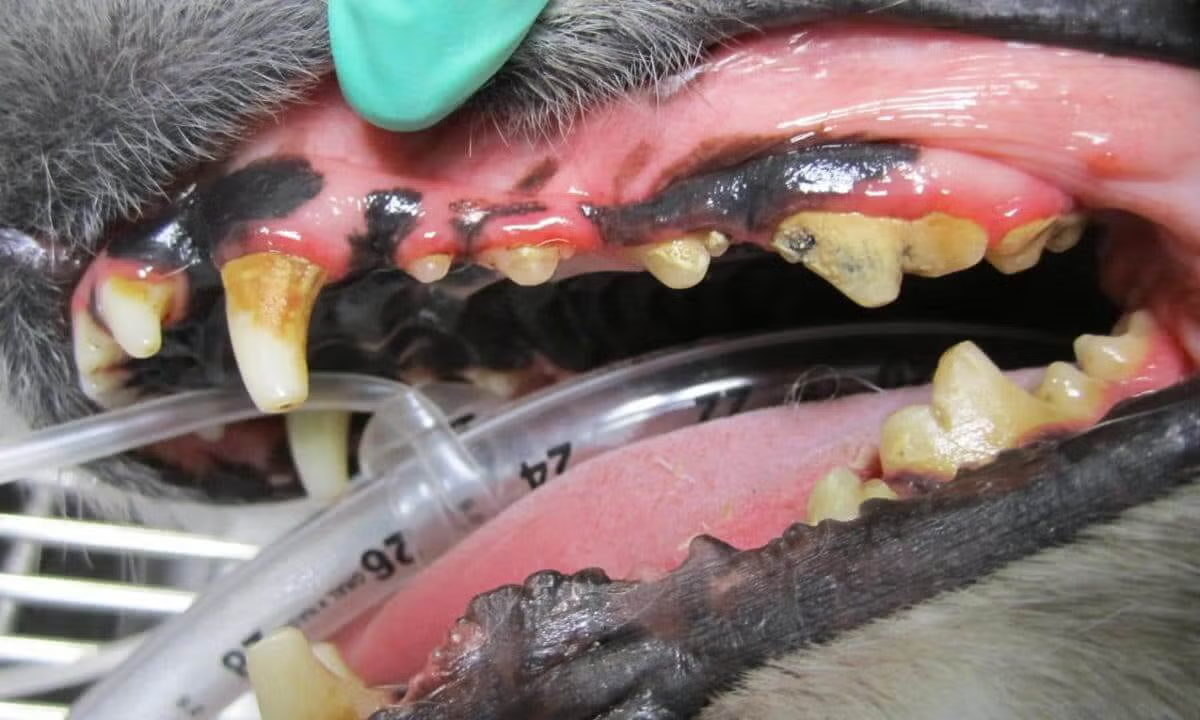
Before Dental Cleaning: Dog with visible tartar buildup and signs of periodontal disease.
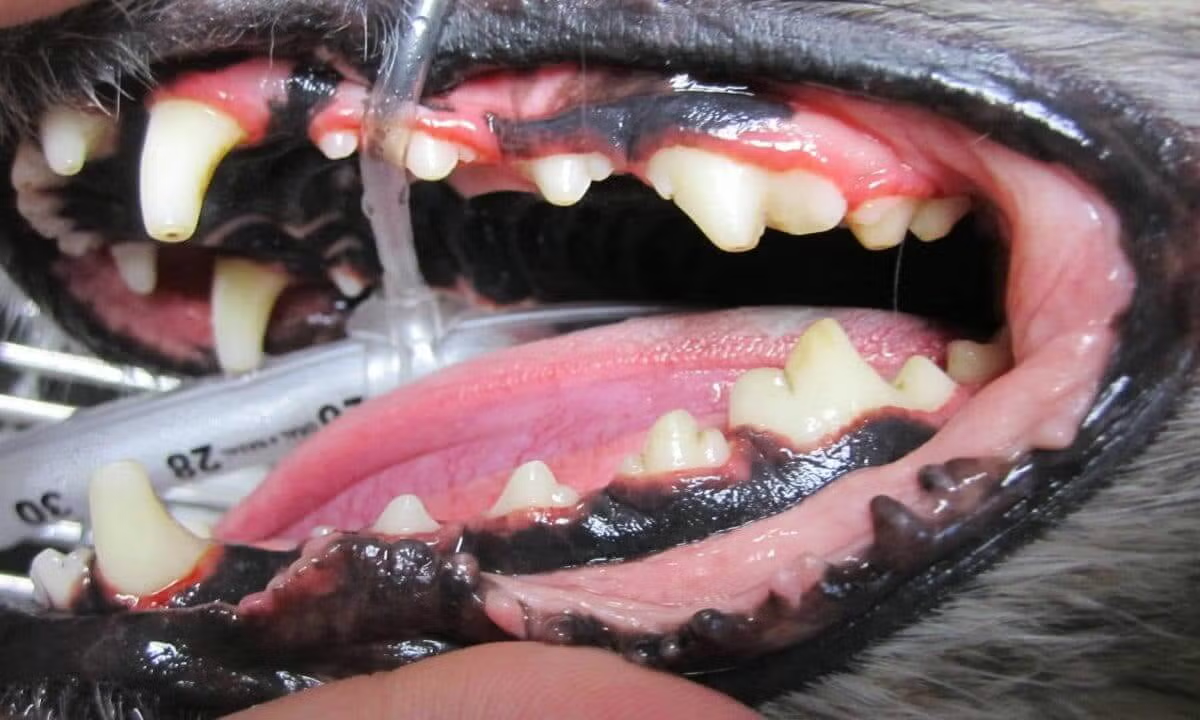
After Dental Cleaning: Teeth cleaned above and below the gumline with tartar removed and healthy gums restored.
Frequently Asked Questions About Pet Dental Care
How do I know if my pet has dental disease?
Common signs include bad breath, red or swollen gums, visible tartar buildup, difficulty chewing, or changes in appetite. However, many pets hide dental pain, which is why routine veterinary exams are important.
How often should pets have professional dental cleanings?
Most dogs and cats benefit from professional dental cleanings every one to two years, though some pets may need them more frequently depending on their dental health.
Is dental disease dangerous for pets?
Yes. Untreated dental infections can spread bacteria through the bloodstream and potentially affect organs such as the heart, liver, and kidneys.
Can I brush my pet’s teeth at home?
Yes. Daily brushing with pet-safe toothpaste is one of the best ways to prevent dental disease and maintain oral health between veterinary visits.
Do pets need anesthesia for dental cleanings?
Professional veterinary dental cleanings are typically performed under anesthesia to ensure a thorough cleaning above and below the gumline while keeping pets safe and comfortable.
Are dental chews or treats enough to prevent dental disease?
Dental chews can help reduce plaque buildup, but they should be used in combination with brushing and professional cleanings for the best results.
What happens during a veterinary dental cleaning?
A veterinary dental cleaning includes scaling plaque and tartar, polishing the teeth, examining the mouth for disease, and taking dental X-rays if necessary to evaluate tooth roots and bone health.