
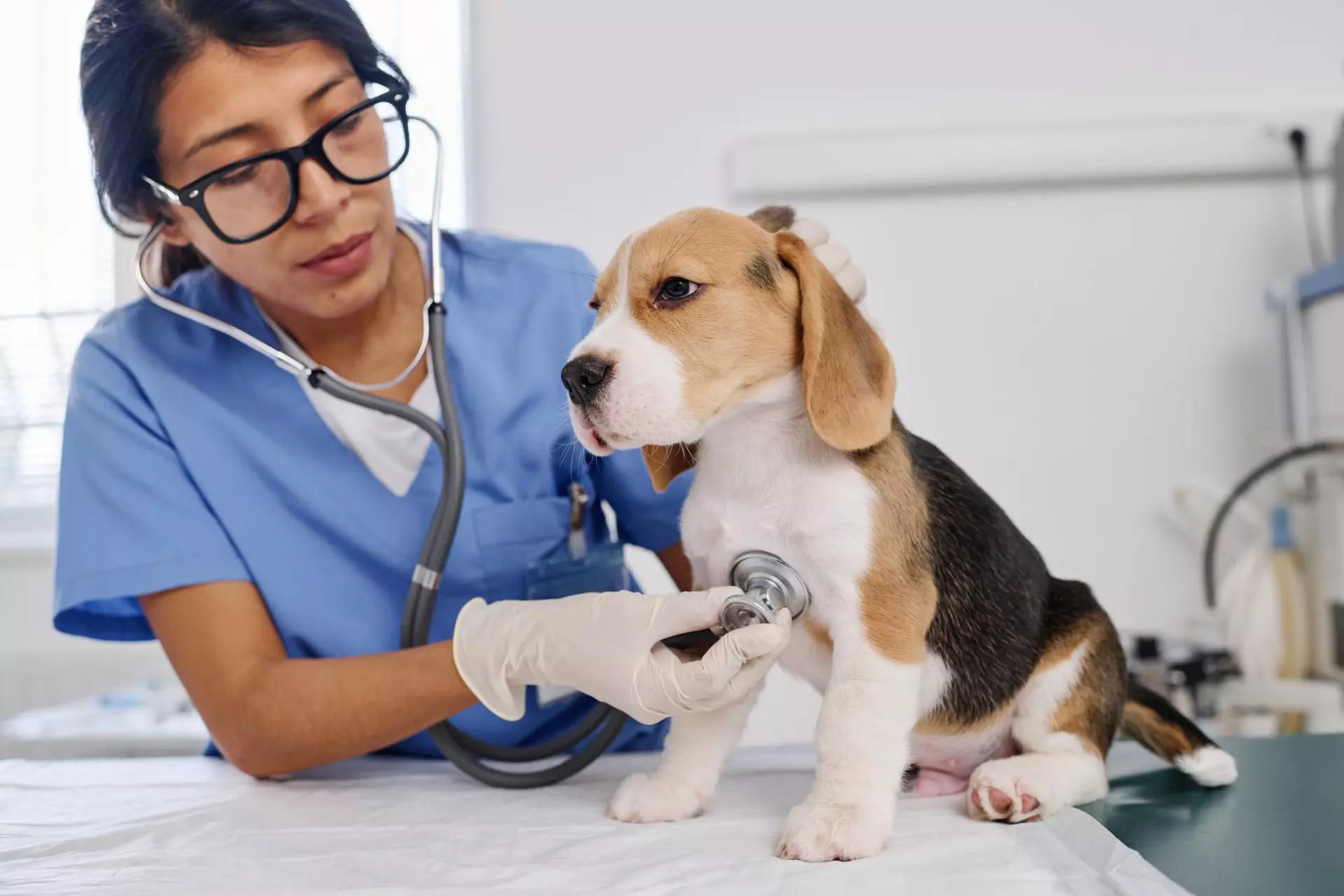
Veterinary Medicine in Westminster, CO
While many pets stay healthy with routine wellness exams, some may develop complex medical conditions that require advanced diagnosis and treatment. Veterinary medicine focuses on diagnosing and managing diseases that affect your pet’s organs and overall health.
At Liberty Animal Hospital, our veterinarians provide comprehensive medicine care for dogs and cats in Westminster, CO. Using advanced diagnostic tools and evidence-based treatments, we help identify the underlying cause of illness and develop personalized treatment plans for your pet.
Conditions that may require medicine evaluation include diabetes, kidney disease, endocrine disorders, gastrointestinal disease, respiratory problems, and neurological conditions.
Early symptoms of these illnesses can sometimes appear subtle and may include vomiting, diarrhea, coughing, or decreased appetite.
Request an AppointmentConditions Treated Through Veterinary Medicine
Medicine focuses on diagnosing and managing diseases affecting major organ systems. Our veterinary team may evaluate pets experiencing various conditions such as but not limited to:
- Diabetes
- Kidney disease or kidney failure
- Cushing’s disease
- Addison’s disease
- Hypothyroidism and hyperthyroidism
- Pancreatitis
- Liver disease or hepatitis
- Inflammatory bowel disease
- Asthma or chronic respiratory disease
- Heart disease or heart failure
- Seizure disorders
Because many conditions develop gradually, early detection and proper diagnosis are essential for effective treatment and improved quality of life.
Signs Your Pet May Need Advanced Medical Evaluation
- Increased or decreased thirst
- Weight loss despite increased appetite
- Persistent vomiting or diarrhea
- Coughing, fatigue, or reduced activity
- Difficulty losing weight
- Collapse or fainting episodes
- Poor response to initial treatments
If your pet is experiencing any of these symptoms, a veterinary exam and diagnostic testing may be necessary to identify the underlying cause.
Medicine: What Happens Next?
When a pet shows signs of illness, our veterinary team will begin with a thorough physical examination and medical history. Diagnostic testing such as blood work, imaging, or specialized evaluations may be recommended to determine the root cause of your pet’s symptoms.
In some cases, collaboration with veterinary specialists such as cardiologists, neurologists, radiologists, or ultrasonographers may be recommended to provide the most accurate diagnosis and treatment plan.
Preventative care also plays a critical role in reducing the risk of serious medical conditions. Routine checkups, preventative medicine, and proper pet nutrition can help support long-term health and wellness.
If your pet is experiencing unusual symptoms or ongoing health concerns, our veterinary team is here to help guide you through the next steps.
Frequently Asked Questions About Veterinary Medicine
What is veterinary medicine?
Veterinary medicine focuses on diagnosing and treating complex diseases affecting organs such as the kidneys, liver, heart, lungs, and endocrine system.
What symptoms indicate my pet may need medicine care?
Symptoms such as persistent vomiting, diarrhea, weight loss, coughing, seizures, or changes in appetite may indicate underlying medical conditions that require further evaluation.
What diagnostic tests are used in veterinary medicine?
Veterinarians may recommend blood tests, urinalysis, imaging such as X-rays or ultrasound, and other diagnostic procedures to identify the cause of illness.
Can medicine conditions be treated successfully?
Many medicine conditions can be managed successfully with medications, dietary changes, and ongoing veterinary monitoring.
When should I schedule an medicine evaluation?
If your pet has persistent symptoms that do not improve with routine care or treatment, an medicine evaluation may help identify the underlying cause.
Will my pet need to see a specialist?
In some cases, veterinarians may collaborate with board-certified specialists to provide advanced diagnostic testing or treatment for complex medical conditions.
Can preventative care reduce the risk of diseases?
Yes. Regular veterinary exams, proper nutrition, preventative care, and early detection play a major role in reducing the risk of serious medical conditions.