
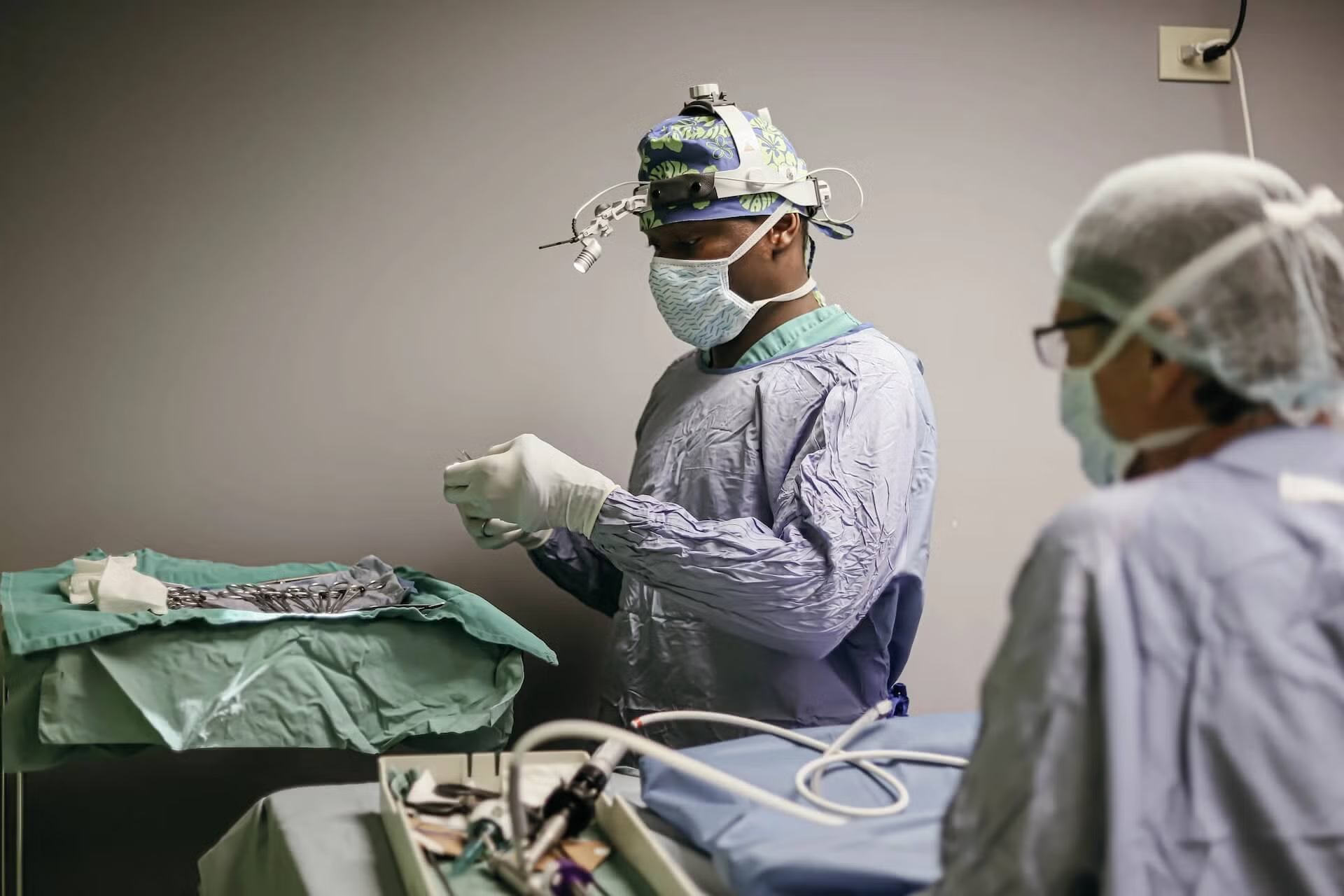
Soft Tissue Surgery for Pets in Westminster, CO
Soft tissue surgery refers to veterinary surgical procedures involving organs, skin, muscles, and internal structures that are not related to bones or joints. These procedures are commonly performed to treat injuries, remove tumors, repair internal organs, or correct medical conditions affecting the abdomen, eyes, urinary system, and other tissues.
At Liberty Animal Hospital, our veterinary team performs both orthopedic and soft tissue surgeries, allowing us to provide comprehensive surgical care for pets. Soft tissue procedures range from routine surgeries to advanced operations that treat complex internal conditions.
Whether your pet requires a simple procedure or advanced surgical treatment, our goal is to provide safe, compassionate care and help your pet return to a healthy, active life.
Request an AppointmentRoutine Soft Tissue Surgeries
Routine soft tissue procedures are commonly performed and help maintain your pet’s long-term health. Some of the most common surgeries include:
- Neutering procedures
- Traditional spay surgery
- Lump and mass removals
- Abscess repair
- Laceration or wound repair
Many of these procedures are preventative and help reduce the risk of infections, reproductive disease, or tumor development later in life.
Advanced Soft Tissue Surgeries
Advanced soft tissue surgeries treat more complex medical conditions affecting internal organs or soft tissue structures. At Liberty Animal Hospital, some advanced procedures include:
- Exploratory laparotomy (abdominal surgery)
- Gastrointestinal obstruction surgery for foreign body ingestion
- Intestinal resection and anastomosis
- Gastropexy (stomach tack to prevent bloat)
- Gastric dilation and volvulus (GDV) emergency surgery
- Liver surgery including biopsy or tumor removal
- Splenectomy (spleen removal)
- Cystotomy (bladder surgery)
- Mammary tumor removal
- Perineal urethrostomy (PU surgery)
- Lymph node biopsy
- Ear hematoma repair
- Cherry eye surgery
- Entropion correction (inward rolling eyelids)
- Distichiasis surgery (abnormal eyelashes)
- Cryosurgery using liquid nitrogen
- Laparoscopic surgery
Some of these procedures may be recommended when pets develop tumors, internal infections, urinary conditions, digestive blockages, or eye disorders.
You may also want to explore our veterinary surgery services to learn more about the full range of surgical care we offer.
Signs Your Pet May Have a Bowel Obstruction
A bowel obstruction is a serious medical emergency that may require immediate surgical treatment. If your pet shows any of the following symptoms, contact a veterinarian right away.
- Sudden vomiting after eating
- Vomiting after drinking water
- Straining to defecate
- Loss of appetite
- Abdominal pain or bloating
- Diarrhea
- Little or no bowel movements for several days
Foreign objects such as toys, bones, or household items are common causes of gastrointestinal obstruction in pets and require prompt veterinary care.
Compassionate Surgical Care for Your Pet
We understand that surgery can be stressful for pet owners. Our veterinary team will guide you through every step of the process—from diagnosis and surgical planning to recovery and follow-up care.
If your pet needs a routine or advanced surgical procedure, call (720) 306-9900 or contact our veterinary team to schedule an examination.
Frequently Asked Questions About Soft Tissue Surgery for Pets
What is soft tissue surgery in veterinary medicine?
Soft tissue surgery involves procedures performed on organs, skin, muscles, and internal tissues rather than bones or joints.
What conditions require soft tissue surgery?
Common conditions include tumors, internal organ disease, bladder stones, foreign body ingestion, infections, and eye disorders.
Is soft tissue surgery safe for pets?
Most soft tissue procedures are routine and safe when performed by experienced veterinarians with proper anesthesia monitoring.
How long does recovery take after soft tissue surgery?
Recovery time varies depending on the procedure but typically ranges from several days to a few weeks.
What happens if a bowel obstruction is not treated?
Untreated bowel obstructions can become life-threatening because they block the digestive system and may damage the intestines.
How do veterinarians diagnose conditions requiring soft tissue surgery?
Veterinarians may use physical exams, blood tests, X-rays, ultrasound, or other diagnostic tools to determine the cause of a medical problem.