
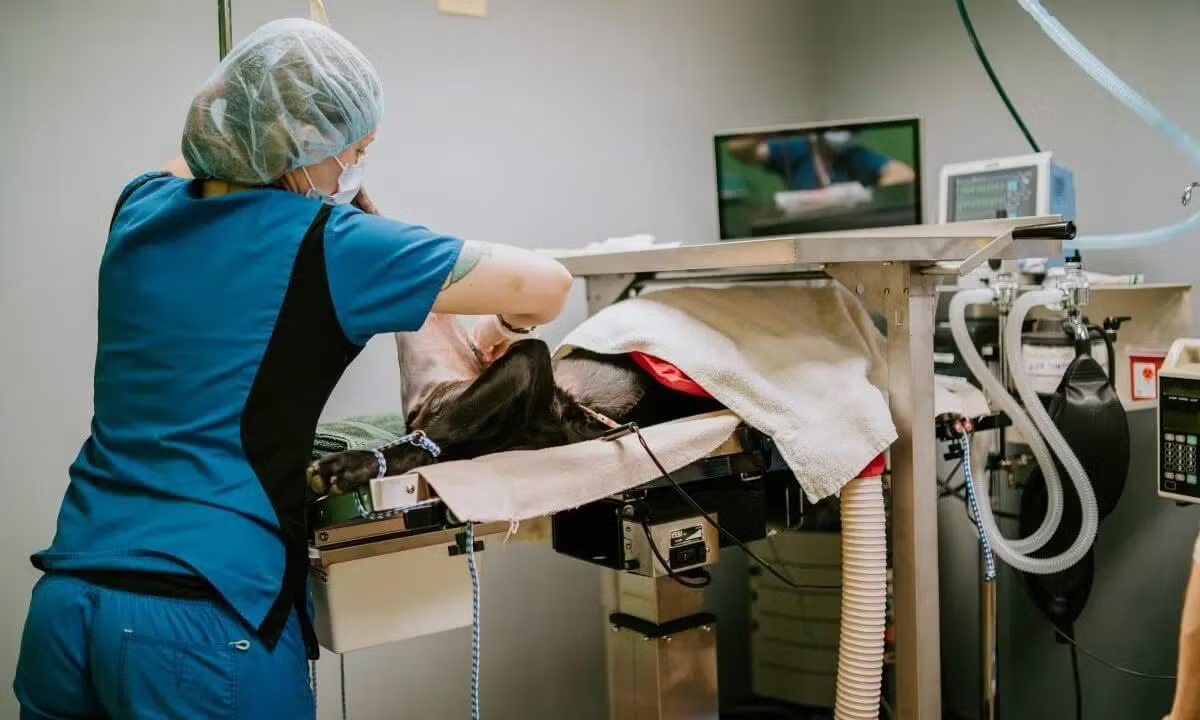
TPLO Surgery for Dogs in Westminster, CO
Cranial Cruciate Ligament (CrCL) rupture is one of the most common orthopedic conditions affecting dogs in North America. This ligament stabilizes the knee joint and functions similarly to the anterior cruciate ligament (ACL) in humans.
When the ligament tears, the knee becomes unstable and painful. Without treatment, this instability can lead to arthritis, reduced mobility, and further joint damage.
Large breeds, highly active dogs, overweight pets, and older dogs are more prone to ACL injuries. However, dogs of any breed or age can experience a cranial cruciate ligament rupture.
At Liberty Animal Hospital, we evaluate and treat dogs suffering from knee instability using advanced orthopedic procedures such as TPLO surgery.
Request an AppointmentCommon Signs of a Torn ACL in Dogs
Many ACL injuries occur during normal activity rather than severe trauma. Pet owners often notice symptoms such as:
- Sudden limping after playing or exercising
- Lameness after jumping in or out of a car
- Limping that improves temporarily but returns repeatedly
- Difficulty standing or climbing stairs
- Decreased activity or reluctance to run
If your dog begins limping suddenly or shows signs of persistent discomfort, a veterinary examination is recommended.
How a Torn Cruciate Ligament Affects Your Dog
A torn CrCL causes pain and instability in the knee joint. This instability can damage other structures in the joint including:
- The meniscus
- The joint capsule
- Collateral ligaments
If the injury is not treated early, osteoarthritis may develop more quickly. Over time this can reduce the range of motion in the joint and affect the entire limb.
Dogs also shift their weight onto the healthy leg to relieve pain. Unfortunately, this extra stress often increases the risk of the second knee developing a ligament rupture.
Diagnosing ACL Injuries in Dogs
Veterinarians diagnose cranial cruciate ligament injuries through a combination of:
- Physical examination
- Orthopedic testing such as cranial drawer motion
- Tibial thrust evaluation
- Diagnostic X-rays
Age, breed, body weight, and clinical history also help determine the most appropriate treatment plan.
Treatment Options for CrCL Injuries
Surgery is typically the most effective long-term treatment for cruciate ligament injuries in dogs. Several surgical techniques may be recommended depending on the size and activity level of the dog.
Common treatment options include:
- Extracapsular repair
- Tibial Tuberosity Advancement (TTA)
- Tibial Plateau Leveling Osteotomy (TPLO)
Large or very active dogs often benefit most from TPLO surgery because it provides excellent stability to the knee joint.
You can also learn more about our orthopedic surgery services or explore our veterinary surgery services to understand the full range of procedures we provide.
What Is TPLO Surgery?
Tibial Plateau Leveling Osteotomy (TPLO) is a surgical procedure that stabilizes the knee by altering the slope of the tibia (shin bone). Instead of replacing the torn ligament, the procedure changes the mechanics of the knee so the joint can function normally without the ligament.
During the surgery:
- A curved cut is made in the top of the tibia
- The bone is carefully rotated to reduce the slope of the joint
- A specialized plate and screws are used to stabilize the bone
This reconstruction provides strong joint stability and allows dogs to regain comfortable movement.
Recovery After TPLO Surgery
Most dogs begin using the affected leg shortly after surgery, although full healing typically takes around 3 to 4 months.
Recovery usually includes:
- Restricted activity
- Controlled leash walks
- Follow-up examinations and X-rays
- Gradual return to normal activity
Our veterinary team will guide you through every step of the recovery process to help ensure the best possible outcome.
Schedule a TPLO Consultation
If your dog is limping or showing signs of a torn ACL, early evaluation is important. Our veterinary team will assess your pet’s condition and discuss the treatment options that best fit your dog’s lifestyle and health needs.
Call (720) 306-9900 or contact our veterinary team to schedule a consultation.
Frequently Asked Questions About TPLO Surgery for Dogs
What causes ACL tears in dogs?
ACL injuries often occur due to ligament degeneration, sudden twisting motions, obesity, or abnormal knee structure.
Is TPLO surgery better than other ACL surgeries?
TPLO surgery is often recommended for medium and large dogs because it provides excellent stability and long-term outcomes.
How long does recovery take after TPLO surgery?
Most dogs recover within 3 to 4 months with proper rest and rehabilitation.
Will my dog be able to run again after surgery?
Many dogs return to normal activity levels after healing, including running and playing.
What happens if a torn ACL is not treated?
Untreated ACL injuries can lead to severe arthritis, chronic pain, and progressive joint damage.
Can dogs tear the ACL in both knees?
Yes. Many dogs eventually experience ligament rupture in the opposite knee due to increased weight bearing on the healthy leg.